


Port congestion and lengthy customs clearance times are nothing new to businesses operating in Indonesia. However,
the factors driving the latest wave of nationwide port congestion are far more complex than in previous years.
For companies relying on Indonesia Double Clearance services and Indonesian Freight Forwarders,
understanding the root causes behind the current situation is crucial for managing supply chain risks and maintaining stable business operations.
1. Continuous "Red-Light" Customs Inspections with No Signs of Easing
Since Indonesia launched a large-scale anti-corruption campaign within its customs system, regulatory scrutiny at ports across the country has remained exceptionally high.
Following the start of this year's routine enforcement cycle, customs inspections have shown no signs of slowing down.
According to industry sources, from June 8 to July 31, five major Indonesian government agencies—including the National Police,
Customs Authority, Anti-Smuggling Task Force, Tax Authority,
and Ministry of Trade—are expected to conduct a joint nationwide inspection campaign covering the entire import and customs clearance process.
Industry rumors suggest that this coordinated enforcement operation could be even stricter than the previous 30-day anti-smuggling campaign.
Potential violations under close scrutiny include:
Mixed shipments involving sensitive and general cargo
False customs declarations
Under-declared cargo values
Tax evasion schemes
Penalties may include:
Cargo detention and seizure
Significant financial penalties
Warehouse investigations
Suspension of import activities
During a recent inspection visit to Tanjung Priok Port,
Indonesia’s Finance Minister personally inspected containers, signaling the government's current enforcement priorities.
Authorities are now focusing heavily on two key areas:
Documentation Consistency
Customs officials are carefully verifying whether imported goods fully match the information declared in import documentation.
Cargo Valuation Compliance
Special attention is being given to under-invoicing and under-declaration practices used to reduce import duties and taxes.
For businesses using Indonesia Double Clearance logistics services, compliance and accurate documentation have become more important than ever.
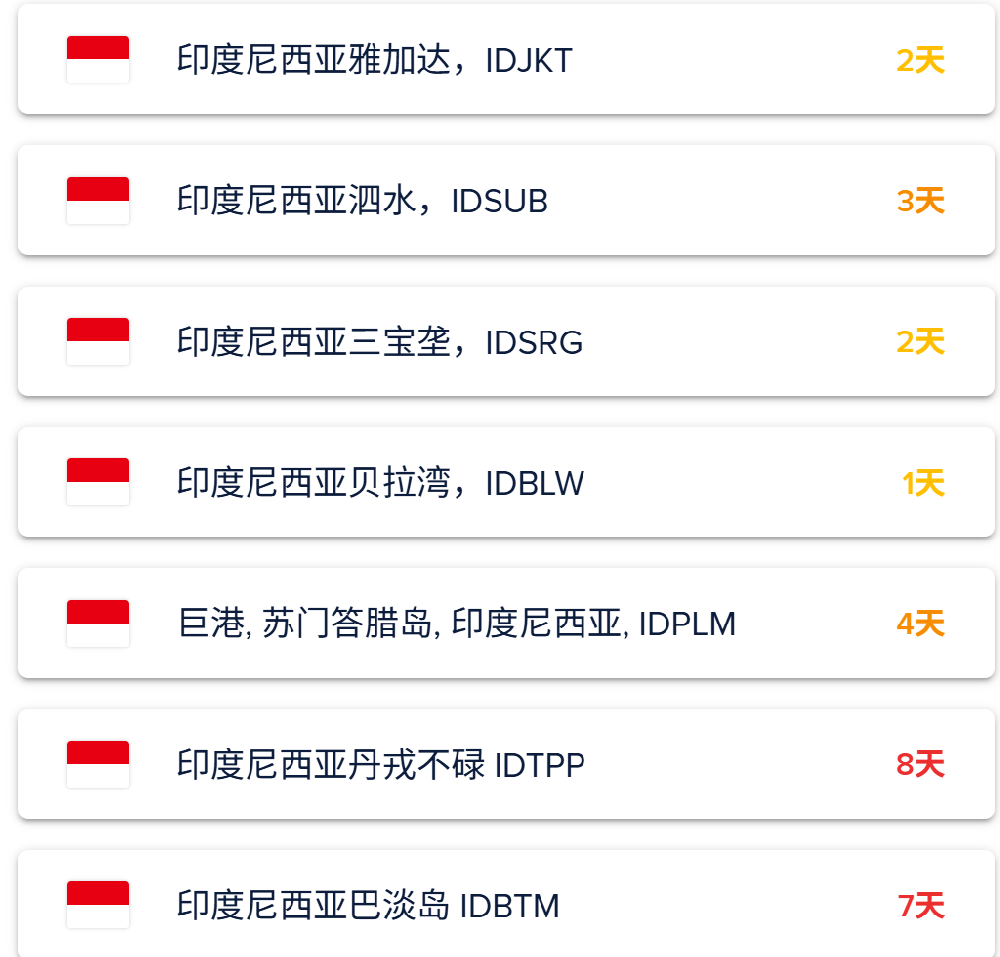
2. Risk Concerns Are Outweighing Speed, Leading to Massive Container Backlogs
In addition to customs delays, another major contributor to port congestion is the long-standing issue of container overstays.
Due to relatively low storage fees and generous grace periods, some importers have historically treated ports as low-cost warehouses.
As a result, many containers remain at ports even after customs clearance has been completed, consuming valuable storage space and reducing port efficiency.
To address this issue, Indonesia's Ministry of Finance has introduced new regulations.
Beginning April 1, 2026:
All import and export cargo must be stored in Temporary Storage Facilities (TPS).
Maximum storage periods will be limited to 90 days.
Cargo exceeding the storage limit may be auctioned, donated, or destroyed.
Serious violations may result in permanent suspension of customs clearance privileges.
While some importers previously used port storage to reduce warehousing costs,
such practices are impractical for cross-border e-commerce sellers who depend on rapid inventory turnover.
Today, the biggest concern at Indonesian ports is not speed—but certainty.
With anti-corruption investigations reaching deep into customs operations,
many logistics providers and Indonesian Freight Forwarders are taking an increasingly cautious approach.
Some freight forwarders are reportedly absorbing tens of thousands of dollars in container detention costs while delaying customs clearance activities to avoid regulatory risks.
Importers previously flagged by customs authorities are also proceeding cautiously, waiting for the current enforcement wave to ease before resuming normal operations.
3. Rising Import Volumes Continue to Strain Port Capacity
Even as ports struggle to process existing cargo, new shipments continue to arrive at record levels.
According to data from Statistics Indonesia (BPS), Indonesia's total imports increased by 13.40% year-on-year during the first four months of 2026.
China remains Indonesia's largest source of non-oil and gas imports, with import values reaching approximately USD 30.79 billion during the same period.
Many of the products imported from China fall into categories currently receiving heightened customs scrutiny, including:
Footwear
Bags and luggage
Electronic accessories
Apparel
Fashion products
Consumer goods
These categories represent a significant share of cross-border e-commerce shipments entering Indonesia.
Many Indonesian entrepreneurs and small business owners start their businesses with limited capital.
Chinese products remain highly attractive because they offer:
Competitive pricing
Fast product innovation cycles
Stable market demand
For many importers, sourcing directly from China remains the most effective way to expand product offerings while controlling costs.
As a result, demand for Indonesia Double Clearance logistics services and professional Indonesian Freight Forwarders continues to grow rapidly.
E-commerce Demand Is Fueling Import Growth
Indonesia's consumers have become increasingly accustomed to purchasing imported products through online platforms.
According to recent data released by Indonesia's Ministry of Cooperatives and SMEs:
Approximately 90% of products sold on major e-commerce platforms such as Shopee and TikTok Shop are imported goods.
Chinese products account for the largest share of these imports.
This combination of aggressive sourcing by merchants and strong consumer demand has created explosive growth in cross-border logistics volumes.
However, it has also increased pressure on Indonesia's ports, customs authorities, and logistics infrastructure.
As Indonesia's consumer market becomes increasingly dependent on China's manufacturing supply chain,
the impact of the current port crisis is being felt across the entire cross-border trade ecosystem.
What This Means for Cross-Border Sellers
For businesses exporting to Indonesia, the current challenges highlight the importance of:
Choosing Experienced Indonesian Freight Forwarders
Professional Indonesian Freight Forwarders can provide up-to-date regulatory guidance and alternative logistics solutions when disruptions occur.
Using Compliant Indonesia Double Clearance Solutions
As customs enforcement intensifies, compliant Indonesia Double Clearance services help reduce clearance risks and minimize shipment delays.
Planning Inventory Earlier
Longer customs processing times mean businesses should increase inventory planning horizons and build additional lead time into supply chain operations.
Strengthening Compliance Management
Accurate declarations, proper documentation, and transparent cargo valuation are becoming essential for smooth customs clearance.
Conclusion
Indonesia's current port congestion crisis is not simply the result of increased cargo volumes.
It is the combined outcome of stricter customs enforcement, anti-corruption investigations,
growing import demand, and structural inefficiencies within the logistics system.
For cross-border sellers, manufacturers, and importers, the challenges may continue in the near term.
Businesses that work with reliable Indonesian Freight Forwarders, adopt compliant Indonesia Double Clearance solutions,
and proactively manage supply chain risks will be better positioned to navigate the evolving Indonesian import landscape and maintain long-term growth.