


Recently, Indonesia’s Tanjung Priok Port in North Jakarta has been reported to be suffering from severe congestion,
with approximately 3,100 containers stranded at the port. Many shipments that cross-border sellers have been anxiously waiting for may be among the backlog.
For businesses relying on Indonesia Double Clearance logistics services and Indonesian Freight Forwarders,
the congestion is causing longer customs clearance times, rising logistics costs, delayed inventory replenishment,
and increased financial pressure. Combined with the depreciation of the Indonesian Rupiah, many sellers are now facing a double challenge.
Indonesia’s Largest Port Under Pressure
According to reports from Indonesian media outlet DetikNews, on June 6,
Indonesia’s Minister of Finance personally visited Tanjung Priok Port to inspect the growing customs clearance backlog.
Official figures show:
Approximately 3,000 customs declaration documents awaiting review
Around 3,100 containers delayed at the port
Large volumes of imported goods unable to complete customs clearance
As Indonesia’s largest international trade gateway,
Tanjung Priok handles more than half of the country’s maritime cargo volume and serves as a key logistics hub for trade between China and Indonesia.
As a result, many businesses utilizing Indonesian Freight Forwarders and Indonesia Double Clearance services have been directly affected by the delays.
With raw materials stuck at the port,
numerous Indonesian manufacturers are experiencing supply shortages and production disruptions, with some factories even facing the risk of temporary shutdowns.
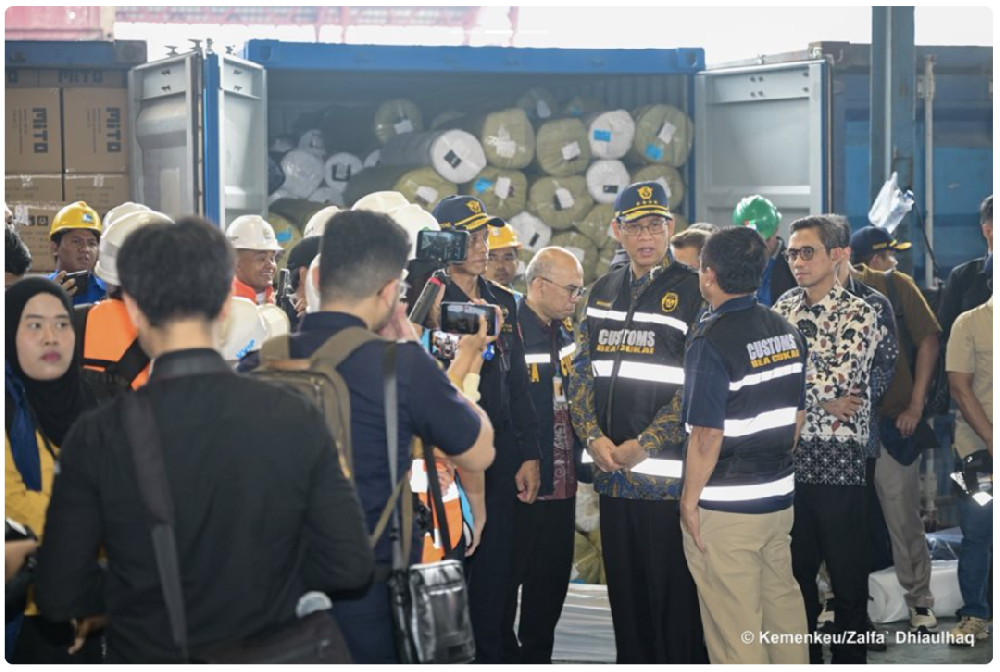
Indonesian Government Takes Emergency Action
To address the situation, the Ministry of Finance instructed customs and port authorities to accelerate processing procedures.
The government has deployed additional personnel from:
Surabaya
Medan
Semarang
Banten
Authorities are now operating around the clock with 24-hour shifts to reduce the backlog of containers and customs documents.
According to the latest updates, the number of pending customs declarations has decreased from approximately 3,000 to 2,500.
While this represents positive progress, many businesses and Indonesian Freight Forwarders believe the situation remains far from fully resolved.
Alternative Ports Are Also Facing Congestion
Although Tanjung Priok is gradually processing the backlog, alternative ports are also struggling with capacity and inspection issues.
Industry sources report that:
Surabaya Port continues to experience congestion.
Semarang Port is facing increasingly strict inspections.
Some shipments are reportedly subject to 100% container inspections.
This means diverting shipments to other ports may not significantly improve transit times.
For companies involved in Indonesia Double Clearance logistics,
the simultaneous congestion and heightened customs inspections across multiple major ports have become a major operational challenge.
Many Indonesian Freight Forwarders believe the situation has evolved from a temporary disruption into a broader supply chain crisis affecting the entire industry.
Peak Selling Season Intensifies the Impact
The timing of the congestion could not be worse.
The delays are occurring during the mid-year e-commerce peak season, when many sellers depend on promotional campaigns and major online sales events.
As shipments remain stuck at the port, businesses face several challenges:
Products cannot reach warehouses on time.
Stock shortages become more likely.
Sellers miss key promotional opportunities.
Advertising campaigns lose effectiveness due to insufficient inventory.
For merchants operating on platforms such as TikTok Shop, Shopee, and Lazada,
logistics delays can affect not only sales performance but also store ratings and long-term business growth.
As a result, sellers are paying closer attention to the reliability of their Indonesian Freight Forwarders
and the stability of their Indonesia Double Clearance logistics solutions.
Rupiah Depreciation Adds More Pressure
In addition to logistics challenges, sellers are also facing currency risks.
Since the beginning of the year, the Indonesian Rupiah has depreciated by approximately 8%, making it one of Asia’s weaker-performing currencies.
This creates a difficult situation for importers and cross-border sellers:
On one hand, shipments remain stuck at the port, generating additional storage fees, demurrage charges, and inventory holding costs.
On the other hand, as sellers wait for payments, the weakening Rupiah reduces the value of their future revenue.
Many businesses are seeing their profit margins eroded from both sides before their products even reach local warehouses.
Key Takeaways for Cross-Border Sellers and Logistics Companies
Indonesia is currently facing a combination of port congestion, stricter customs enforcement, and currency volatility.
Businesses planning to expand into Indonesia should consider the following strategies:
Plan Inventory Earlier
Allow additional time for shipping and customs clearance to avoid disruptions during peak sales periods.
Choose Reliable Indonesian Freight Forwarders
Experienced Indonesian Freight Forwarders can provide real-time port updates and adjust logistics routes to minimize delays.
Use Compliant Indonesia Double Clearance Services
As customs regulations continue to tighten, compliant import declarations and legal customs clearance processes are becoming increasingly important.
Manage Currency Risks
Monitor exchange rate fluctuations closely and optimize payment schedules to reduce foreign exchange losses.
Conclusion
The backlog of 3,100 containers at Tanjung Priok Port highlights the growing challenges within Indonesia’s logistics and customs environment.
Although government intervention has helped reduce the backlog, issues such as stricter inspections,
fluctuating clearance times, and Rupiah depreciation are likely to continue in the near term.
For cross-border sellers, success in Indonesia will depend not only on capturing market opportunities but also on building a resilient supply chain.
Partnering with experienced Indonesian Freight Forwarders and utilizing compliant Indonesia Double Clearance logistics
solutions will be essential for managing risks and achieving sustainable growth in an increasingly complex market environment.