


In recent years, e-commerce in Indonesia has developed rapidly. However, there have been frequent problems in logistics.
Issues such as embargoes, cargo seizures, warehouse collapses, and delays have occurred more and more frequently.
Logistics has always been a crucial part of the foreign trade loop and the most complex and difficult to control part.
For e-commerce sellers, logistics problems have always been their weakness. Not only in Indonesia,
but also in other countries, similar problems exist. These problems not only affect the sellers' businesses
but also bring unnecessary losses and inconveniences to buyers.
Common Issues in Cross-Border Logistics in Indonesia
Complex geographical environment
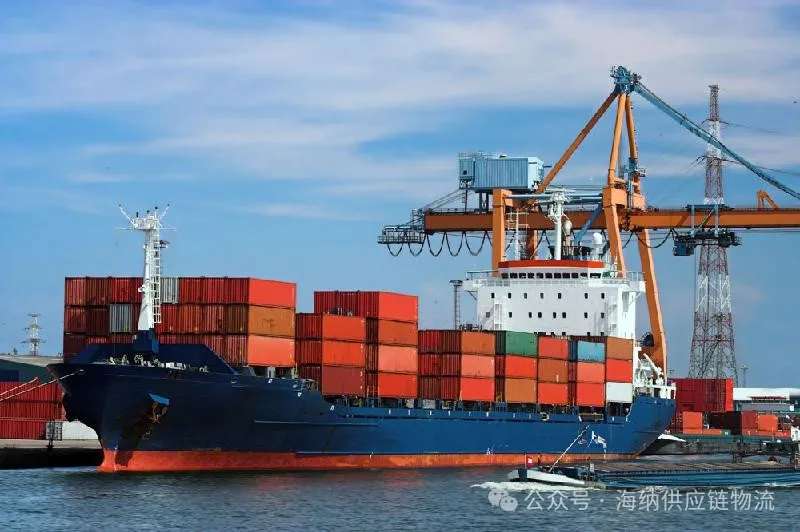
1.Island distribution: Indonesia is composed of over 10,000 islands, of which approximately 6,000 are inhabited.
This scattered geographical layout increases the complexity of logistics transportation,
as goods need to be transported between various islands via sea or air routes.
2. Diverse terrain: Indonesia has a variety of terrains, including mountains, jungles, rivers, and swamps.
These terrain features have posed certain obstacles to logistics transportation,
especially in mountainous and jungle areas where the transportation of goods is more challenging.
3. Traffic Restrictions: Due to the complexity of the geographical environment, Indonesia's transportation network is relatively underdeveloped,
and road construction faces numerous challenges. The lack of modern road and bridge facilities restricts land transportation,
while water and air transportation have become the primary options.
4. Weather Impact: Indonesia is located near the equator and has a variable climate with significant influence from monsoons.
Seasonal rainy seasons and storms may affect logistics transportation, increasing the uncertainty and risk of delays in cargo delivery.
Insufficient infrastructure
Road network: The road network in Indonesia is relatively underdeveloped, especially in terms of the
connections between some remote areas and islands. This has led to difficulties and delays in cargo transportation.
2. Port Facilities: Although Indonesia has many ports, most of the port facilities are relatively outdated,
have insufficient capacity, and lack modern equipment and automated operating systems.
This limits the handling capacity and efficiency of the ports.
3. Airport capacity: Some major airports in Indonesia are facing issues of insufficient capacity.
Their cargo handling capabilities are limited, and they lack modern cargo facilities.
4. Railway and waterway transportation: Although Indonesia has a certain scale of railway and waterway transportation network,
its coverage is limited and the transportation efficiency is low.
Railway and waterway transportation have great potential in addressing issues in cross-border logistics,
but further improvement and investment are still needed at present.
How to solve the logistics problems in Indonesia
01
Diversified transportation methods
According to different geographical environments and transportation demands, personalized logistics solutions are provided,
integrating various transportation modes such as sea transportation, air transportation,
railway transportation and road transportation. The most suitable transportation method is selected based on the type of goods and the destination.
02
Establish a unified platform
Utilize a unified logistics information platform to achieve information sharing and exchange among different environments,
thereby enhancing the visibility and transparency of logistics information.
03
Strengthen cooperation
Strengthen cooperation with logistics companies and suppliers, jointly address challenges brought by different environments, share resource information, and optimize logistics transportation efficiency.