


In the rapidly expanding global trade, the safe transportation of dangerous goods is a core concern in the logistics industry.
Logistics of dangerous goods refers to goods that may pose potential risks during transportation, such as flammable liquids,
explosive items, compressed gases, chemicals, and radioactive substances, etc. If these items are handled improperly,
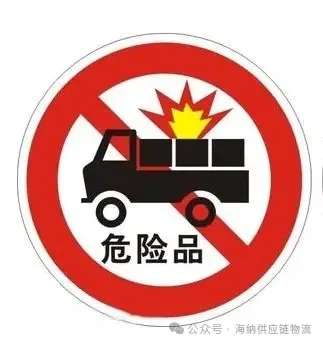
they can have a significant impact on personnel safety, property, and the environment. So, how many of these mobile bombs do you know?
How to distinguish between sensitive goods and dangerous goods?
Dangerous goods are items or substances that can pose a threat to health, safety, property or the environment,
especially when handled improperly.
Dangerous goods or hazardous materials can be solids, liquids or gases, or pure chemicals, or mixtures,
manufactured products or individual items. They are classified based on their potential hazards, such as flammable,
toxic, explosive, radioactive, etc.
Dangerous goods are defined as those that meet the standards of nine hazardous levels and fall into three packaging categories.
The nine categories are related to the types of hazards,
while the three packaging categories are related to the degree of hazard applicable within each category.
Due to the wide range of categories, some hazardous categories are further subdivided into subcategories of dangerous goods.
What are the common dangerous goods for export?
For example, cosmetic products such as epoxy glue, toner, nail polish, perfume, gas,
essential oil, batteries, thinner, paint, ink, lighter, spray glue, etc.
According to the customs regulations, if merchants export this type of product,
they are required to obtain the dangerous goods packaging certificate in advance, namely the
"Inspection Result Sheet for the Performance of Exported Goods Packaging".
List of 9 Types of Hazardous Goods
1. Class 1: Explosives and Gunpowder: Candles, fireworks, fuse wires, explosive nails, etc.
2. Class 2: Compressed Gases and Liquefied Gases: Lacquer thinner (hydraulic), snow type, dry ice, fire extinguishers,
gas storage cylinders (without discharge devices, unable to be recharged),
life-saving devices (that can automatically expand) etc.
3. Class 3: Flammable Liquids: Engine oil, camphor oil, engine starting fluid, turpentine, perfume, glue (corrosive or flammable),
alcohol (methanol, ethanol), callus lotion, latex paint, rust water, ink, dyes (flammable), coatings (flammable and explosive),
flammable oil paint, gasoline, mousse, spray oil, snow spray, strong acids, strong bases, printing ink, lamp oil, adhesives,
hydrogen peroxide, liquid ammonia, and all unknown liquids, etc.
4. Class 4.1/4.2/4.3: Flammable Solids, Self-igniting Substances and Substances Reacting with Water: Activated carbon,
titanium powder, castor products, rubber debris, safety matches (box-pressed or sheet-pressed), dry white phosphorus,
dry yellow phosphorus, magnesium powder, red phosphorus, potassium sulfuric acid, sodium, cesium, lithium,
calcium carbide, magnesium phosphide, calcium phosphide, magnesium silicide, etc.
5. Class 5.1/5.2: Oxidizers and Organic Peroxides: Potassium permanganate, hydrogen peroxide, peroxide sodium,
magnesium oxide, sodium peroxide, hydrogen peroxide, sodium peroxide, ammonium persulfate, potassium persulfate,
potassium persulfate, potassium persulfate, ammonium nitrite, potassium permanganate, potassium permanganate, calcium permanganate, etc.
6. Class 6.1/6.2: Toxic Substances and Infectious Materials: Pesticides, herbicides, arsenic, diazinon, oat spray,
carbaryl, molluscicide, propamidine, cadmium bromide, insecticide dimethoate, xilin, virus protein, tear gas, etc.
7. Class 7: Radioactive Substances: Uranium, radium, plutonium, polonium, radon, francium, actinium, thulium,
luminous powder, monazite, zirconium silicate, thorium nitrate, etc.
8. Class 8: Corrosives: Sulfuric acid, strong alkali, nitrogen dioxide, sulfur dioxide, aluminum trichloride, phosphorus trichloride,
phosphorus pentoxide, nitrosyl sulfate, hydrofluoric acid, oxygen chlorophosphorus, fluorosilicic acid, fluorosulfonic acid,
hydroxyamine nitrate, sulfuryl chloride, arsenic chloride, sulfur chloride, boron chloride,
chromic acid anhydride, chromic acid hydride, chromic acid anhydride, etc.
9. Class 9: Miscellaneous Hazardous Goods: Marine pollutants, unknown hazardous powders (white powder), etc.