


The Indonesian government has introduced a major policy adjustment in its 2026 mid-year state budget, which totals 2,634 trillion rupiah (approximately 14.7 billion USD): the abolition of import tariffs on liquefied petroleum gas (LPG) and plastic raw materials used in the petrochemical industry.
This move is expected to influence not only domestic manufacturing cost structures but also the broader cross-border supply chain ecosystem, particularly businesses relying on Indonesia DDP shipping solutions (Indonesian DDP logistics) and Indonesian freight forwarders / Indonesia freight forwarding services.
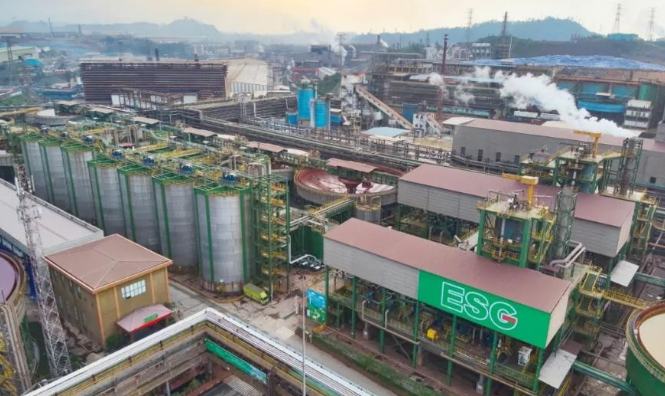
1. Core Policy Shift: Zero Tariffs on Petrochemical Inputs
Coordinating Minister for Economic Affairs Airlangga Hartarto stated that the tariff elimination aims to:
Reduce industrial production costs
Ease supply shortages of naphtha caused by geopolitical tensions in the Middle East
Strengthen domestic substitution of raw materials
Currently, the import tariff for LPG stands at 5%. With the new policy, this cost burden will be significantly reduced.
The government estimates that the reform will cut industry costs by approximately 2.25 trillion rupiah, while generating broader multiplier effects across related sectors.
For importers operating under Indonesia DDP (Delivered Duty Paid) structures, this policy may also improve landed-cost predictability and optimize overall logistics planning.
2. Supporting Fiscal and Social Measures
Alongside the tariff reform, the Indonesian government has introduced several complementary measures:
Subsidies for tofu and tempeh producers to stabilize food prices
Monthly distribution of 10 kg rice to 33.24 million low-income households for three consecutive months
According to government officials, these measures are designed as a proactive stabilization framework to safeguard economic resilience amid external shocks.
3. External Pressure: Energy Supply Constraints and Macroeconomic Stress
Since March this year, Indonesia has faced:
Tight supply of naphtha and petrochemical raw materials
Continued volatility in global energy markets
Rising import costs due to rupiah depreciation
After recording 5.61% GDP growth in Q1 2026, the country still faces pressure to maintain economic stability.
Bank Indonesia has raised interest rates three times since May, with a cumulative increase of 100 basis points, further tightening domestic financial conditions.
4. Policy Direction: Strengthening Domestic Production Capacity
The Indonesian government is actively pursuing a long-term strategy to:
Enhance domestic manufacturing capacity
Reduce reliance on imported raw materials
Strengthen local energy and petrochemical supply chains
This structural shift will have direct implications for import-dependent industries.
For cross-border businesses, working with reliable Indonesian freight forwarders and stable Indonesia DDP logistics providers will become increasingly important for managing compliance, cost efficiency, and customs risks.
5. Impact on Cross-Border Trade and Logistics Systems
Although the policy aims to reduce production costs, it also signals three major structural trends:
1. Reshaping import composition
Lower raw material tariffs may improve cost efficiency, but regulatory precision will increase.
2. Stronger compliance requirements
Cross-border trade will rely more heavily on standardized customs declaration and clearance processes.
3. Acceleration of supply chain specialization
Businesses will increasingly depend on structured logistics systems such as:
Integrated Indonesia DDP shipping solutions
Professional Indonesian freight forwarder services