


Recently, the issue of e-commerce platforms increasing commissions has sparked heated discussions among cross-border sellers across Southeast Asia.
According to reports from industry media, since late May, the three major Vietnamese platforms — Lazada, Shopee, and
TikTok Shop — have almost simultaneously increased various platform fees, leaving many sellers saying they are “barely surviving,” forced either to raise prices or absorb losses.
For sellers relying on Indonesian freight forwarders, Indonesia double clearance services, and Southeast Asian cross-border logistics channels,
rising platform costs combined with logistics, customs clearance, and advertising expenses are placing even greater pressure on profit margins.
Lazada, Shopee, and TikTok Shop Raise Fees Simultaneously
Starting May 26, Lazada adjusted its fee structure by increasing order processing fees from 5% to 6%, while also introducing a new technical infrastructure fee of 3,000
Vietnamese dong per order. For high-volume sellers, this significantly increases operational costs.
Shopee also implemented changes beginning May 23, specifically targeting Non-Mall sellers. Commission rates for popular categories such as
fashion and beauty products were increased. In addition, Voucher package fees rose, and the cost-sharing ratio for coupons was pushed up to 40%.
More controversially, Shopee introduced a “Maintain Visibility” policy starting May 29, requiring sellers to allocate at least 1% of each order’s sales value toward advertising.
Essentially, the platform is directly deducting advertising expenses from sellers’ profits.
TikTok Shop acted even earlier. As early as May 9, the platform significantly increased commissions for core categories such as fashion and mother-and-baby products,
with some categories reaching as high as 17.8%.
Under the combined pressure of platform commissions, advertising fees, logistics expenses, and return-related costs,
many sellers now face total operating costs reaching 40% to 50% of product prices.
Some products on e-commerce platforms are now even more expensive than in physical stores or social commerce channels.
For many cross-border sellers shipping through Indonesia double clearance channels,
rising platform fees have further amplified the financial burden caused by logistics and customs clearance costs.
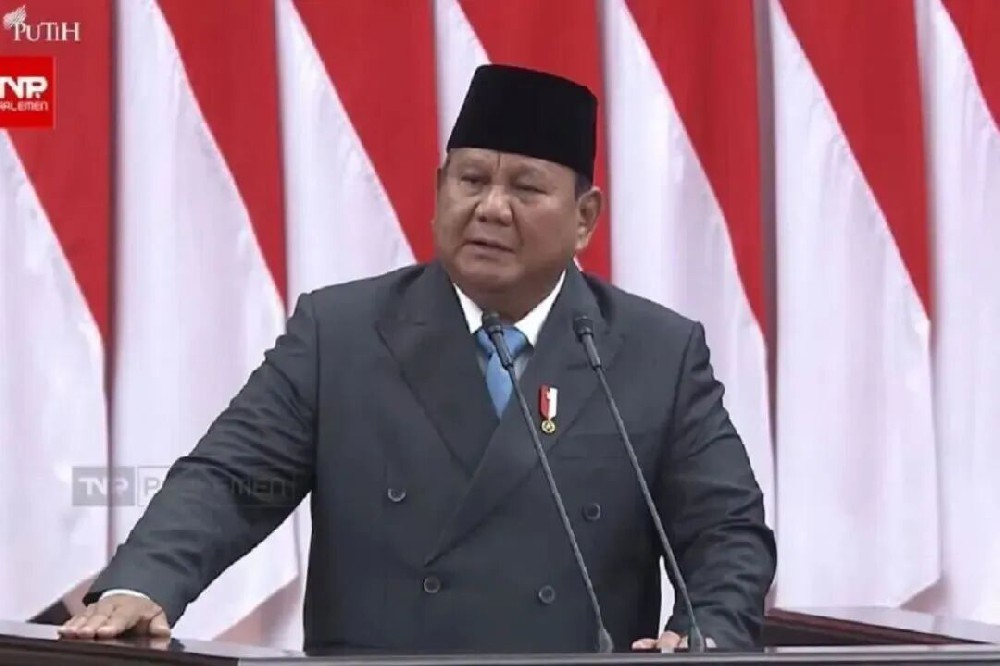
Indonesian Government Plans to Regulate E-Commerce Platform Fees
At the same time, the Indonesian government is preparing new regulations aimed at rebalancing the relationship
between major e-commerce platforms and small and medium-sized enterprises (SMEs).
Indonesia’s Ministry of Cooperatives and SMEs is reportedly drafting special regulations to oversee fee structures on digital platforms such as TikTok Shop and Shopee,
prohibiting platforms from suddenly and unilaterally increasing service fees or commissions.
This move is seen as an important step toward building a healthier, more stable digital business ecosystem that better supports SMEs.
Indonesia’s Minister of Cooperatives and SMEs, Maman Abdurrahman, revealed that the proposed rules would require e-commerce
platforms to sign cooperation agreements with sellers for a minimum term of one year. During the contract period, platforms would not be allowed to arbitrarily raise service fees or commissions.
In addition, any fee adjustments would require at least three months’ advance notice, giving merchants sufficient time to prepare and adjust their operations.
The minister stated that the regulation will be included in a ministerial decree concerning SME protection and competitiveness.
The regulation has already completed legal coordination procedures and is currently awaiting formal issuance by the State Secretariat.
Platform Fee Structures to Be Standardized
According to official explanations, the new rules also aim to simplify the currently complex fee structures used by platforms.
At present, different platforms use numerous fee categories, making it difficult for many SME sellers to clearly understand their actual operating costs.
Under the proposed regulations, platform charges would be standardized into three main categories:
Registration Fees
Service Fees
Promotion Fees
Abdurrahman explained:
“Different platforms use different fee names, making sellers believe there are many separate charges, when in reality they mainly fall into these three categories.”
At the same time, the Indonesian government is encouraging platforms to provide up to 50% discounts on service fees for small businesses and sellers of domestic products to help reduce pressure on SMEs.
He emphasized:
“The government cannot allow small businesses to compete freely with large corporations without protection. Supportive policies must be introduced.”
Operating Pressure on Southeast Asian Sellers Continues to Increase
Over the past few years, Southeast Asia’s major e-commerce platforms have continuously increased commission rates, adjusted free shipping mechanisms,
and introduced additional fee categories, significantly increasing the operational burden on local sellers.
For Chinese cross-border sellers relying on Indonesian freight forwarders and Indonesia double clearance services to enter Southeast Asian markets,
rising platform fees are compounded by shipping, customs clearance, warehousing, and local delivery costs, creating even greater cash flow pressure.
Many sellers have expressed dissatisfaction with the frequent changes in platform policies,
arguing that the pace of rule adjustments makes it difficult for businesses to adapt their strategies in time.
In response, platform representatives explained:
“The platforms have not increased core commission rates, but adjustments were made to free shipping mechanisms,
particularly regarding logistics costs associated with returns or defective products, which will now be shared between the platform and sellers.”
Nevertheless, the Indonesian government still believes that clearer regulatory measures are necessary to avoid future disputes and misunderstandings caused by fee adjustments.
SAPA UMKM System to Strengthen Platform Supervision
To ensure effective implementation of the new regulations, the Indonesian government is also building a new digital supervision system called “SAPA UMKM.”
In the future, this system will connect directly with major e-commerce platforms, allowing the government to monitor platform fee policies and implementation more effectively.
Currently, SAPA UMKM is undergoing limited pilot testing in regions including West Java, Sulawesi, and Bali.
The government hopes to officially launch the system nationwide after the evaluation phase is completed.
Industry analysts believe these new regulations could reshape Indonesia’s e-commerce industry over the coming years.
For a long time, major e-commerce platforms have maintained dominant positions in seller relationships due to their control over traffic and sales channels.
However, requirements such as one-year contracts, advance notice periods, and restrictions on unilateral fee increases are expected to create a more balanced relationship between platforms and sellers.
For cross-border sellers, future business success will depend not only on monitoring platform commission changes,
but also on ensuring the stability of Indonesia double clearance services, Indonesian freight forwarders, and local compliance systems in order to reduce overall operational risks.