


Across Indonesia’s 17,000 islands lies one of the world’s most paradoxical economic landscapes.
Jakarta’s skyscrapers coexist with Papua’s indigenous tribes. Surabaya’s industrial clusters face Flores Island’s spice plantations across vast seas. Yet when goods begin moving between these islands, a logistical “curse” emerges:
Rubber from Sumatra takes 21 days to reach Java—5 days longer than shipping from Shanghai to Jakarta
A Bali hotel project had to pay double air freight costs due to stranded steel materials at ports
Clove farmers in the Maluku Islands suffer up to 40% spoilage during transport, losing over $200 million annually
A “spatial revolution” driven by DDP shipping lanes (double customs clearance logistics) is now gradually stitching this fragmented archipelago into a unified market.
1. The “Vascular Blockage” of an Island Economy
1. Fragmented Supply Chains
Bauxite in West Kalimantan sits idle in massive stockpiles, while smelters in Sulawesi reduce production due to raw material shortages.
Traditional maritime routes require up to three transshipments, causing 30% of mineral powder losses during transfer—literally sinking into the ocean.
One smelter reportedly loses enough mineral powder monthly to fill 200 containers (data anonymized).
2. “Isolated Islands” Created by Policy Fragmentation
Indonesia’s 34 provinces each retain independent tax authority, forcing repeated customs clearance for inter-island cargo:
Ceramics shipped from Lombok to Jakarta are subject to four separate “regional development taxes”
A 2024 regulation requires a special “island transit permit” for fresh goods, with approval processes lasting up to 45 days
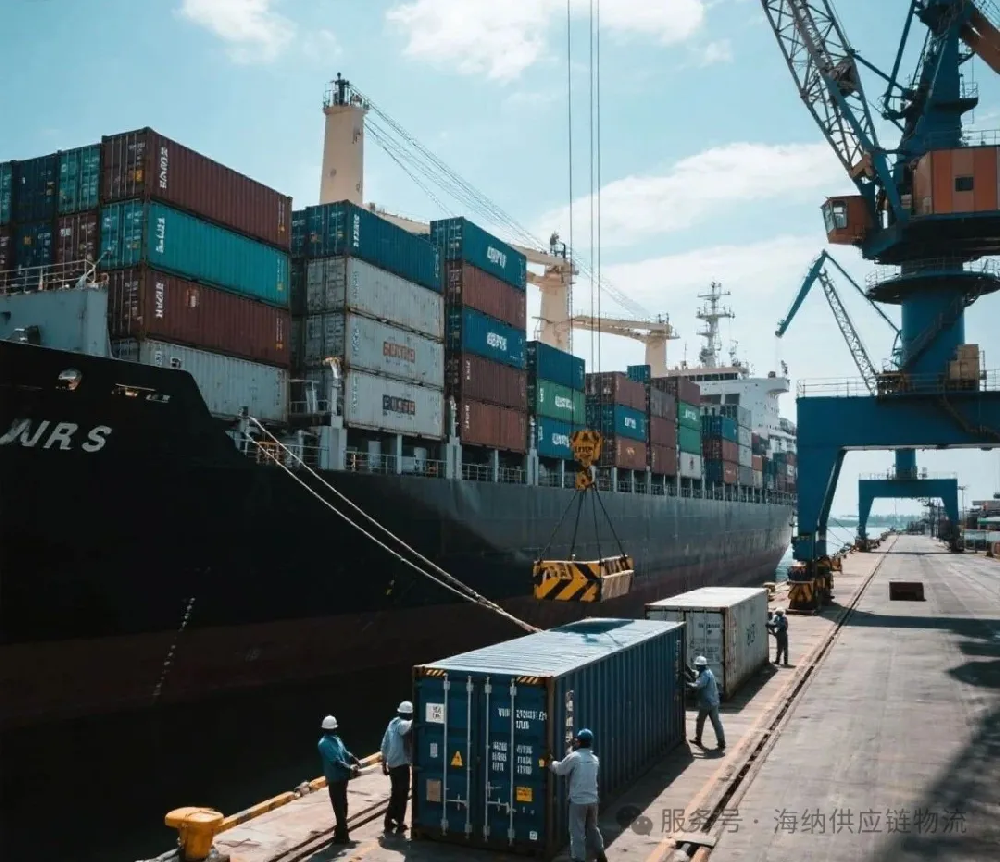
3. Hidden Cost Black Holes
Ships detour across multiple islands to maximize load efficiency, increasing fuel costs by 40%
Fishermen transporting tuna to Surabaya must pay 12 different surcharges, leaving net profits below one-third of wholesale value
2. DDP Shipping Lanes: Weaving Indonesia’s Archipelago Logistics Network
1. Island Express Lines: Redefining Distance in Indonesia
Customized Archipelago Transport Routes
“Spice Islands Express Line” connects Ambon–Ternate–Banda Sea triangle routes
Fresh cargo spoilage reduced from 40% to 8%
Case: Maluku nutmeg exporters successfully entered Europe’s high-end market for the first time via direct shipping lanes.
Multimodal Air–Sea–Land Hubs
Micro transshipment warehouses established in Weh Island and Bangka Island
Seamless integration between feeder boats and mainline vessels
Case: A construction supplier used helicopter + cargo ship transport to reduce remote island hotel project timelines by 60%.
2. Policy Barrier Breaker: Unlocking Provincial Fragmentation
Cross-Province Customs Integration Card
Unified digital code system enables cargo movement across all 34 provinces
Bali handicraft exporters save 1,200 hours of annual tax and inspection processing, enabling 53 additional orders per year
Express Transit Permit System
Joint digital platform with local governments reduces fresh goods permit approval to 72 hours
In 2025 alone, enabled 3,000 tons of Flores lobster to reach Hong Kong markets at peak freshness
3. Cost Reconstruction: A New Sharing Economy Model
Island Consolidation Platform
Shippers publish real-time route demands via app
Load factor increased from 58% to 92%
Case: Sumatra coffee exporters reduced shipping costs to $35/m³—only one-ninth of air freight costs.
Island Finance Network
DDP bills of lading used as collateral for local bank financing
Interest rates reduced by 11% compared to traditional lending channels
Case: Java fishermen secured expansion funding by collateralizing future catch volumes.
3. Transformation in Motion: Three Island Revival Stories
Sumba Island: From “Forgotten Land” to High-End Woodcarving Hub
Belitung Island: From Tin Mining Ruins to Green Industrial Transition
Raja Ampat: Balancing Ecology and Economy Through Controlled Logistics
4. The Future Is Here: Indonesia’s 2030 Inter-Island Connectivity Vision
1. Smart Archipelago System
Autonomous cargo ships connecting 1,000 micro-ports
Logistics costs reduced by an additional 40%
Satellite IoT tracks vessel carbon emissions and auto-generates carbon credit reports
2. Cultural Logistics Revolution
Humidity-controlled transport for Papua tribal wood carvings
End-to-end traceability system allowing consumers to scan and view production and shipping history
3. Disaster Response Network
DDP logistics reserves 500 emergency speedboats for rapid deployment
During volcanic eruptions, nationwide supply delivery can be completed within 72 hours
Case: In the 2023 Ruang volcano eruption, response speed was 3× faster than government emergency systems.