


Recently, Indonesia's Ministry of Small and Medium Enterprises revealed that the government is drafting
a new set of regulations for the e-commerce industry,focusing on standardizing the relationship between platforms and merchants.
The rules aim to restrict practices such as sudden commission hikes and arbitrary price adjustments by platforms,
thereby further protecting the rights and interests of small and medium-sized enterprises.
According to currently disclosed information, one of the key provisions of the new regulation requires e-commerce platforms
to sign cooperation agreements with merchants for a minimum term of one year.
During the validity period of the contract, platforms may not unilaterally increase commissions or introduce new fees at will.
If a platform intends to adjust its fee structure, it must notify merchants in advance by at least three months,
allowing sufficient time for merchants to adjust their business strategies and financial planning.
Indonesian Minister of Small and Medium Enterprises, Maman Abdurrahman, stated that many small and medium-sized
merchants plan their annual cash flow and operating costs in advance.
A sudden increase in platform service fees could easily disrupt their business operations.
This suggests that the future pricing mechanism for Indonesia's e-commerce market may gradually shift from being
"platform-driven" to one characterized by greater "transparency in rules."
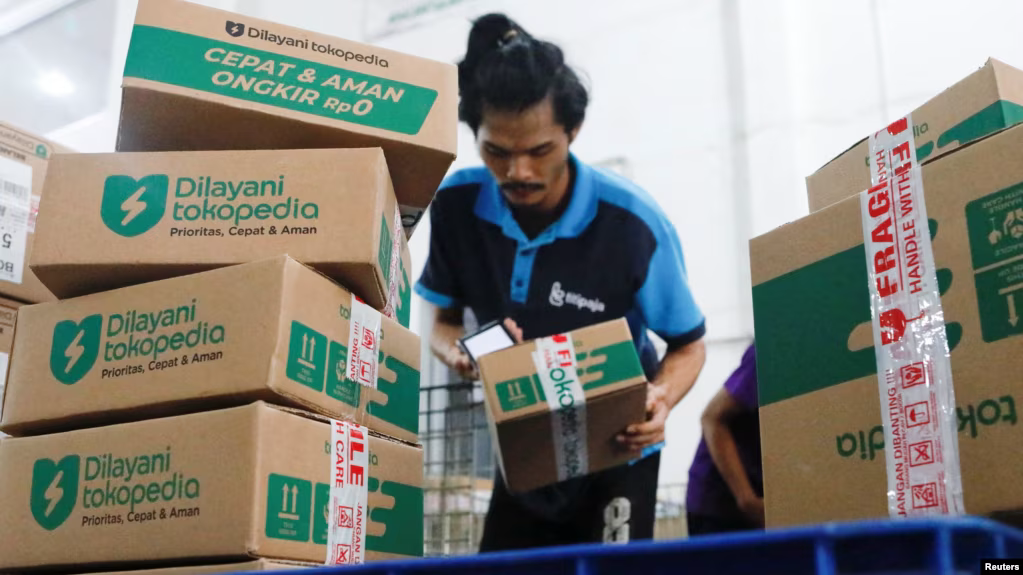
In addition to restricting arbitrary commission hikes, the Indonesian government also plans to standardize and streamline platform fee structures.
Currently, many e-commerce platforms suffer from complex fee categories and inconsistent rules,
making it difficult for small businesses to accurately calculate their actual costs. The new regulations aim to
consolidate these complicated charges into three core categories, enhancing transparency and reducing instances of duplicate or hidden fees.
For cross-border sellers operating long-term in Indonesia, such standardization reforms will help improve business stability and
make long-term budgeting and profit forecasting easier.
The reform also includes adjustments to return policies. Under the proposed plan, logistics costs associated with
consumer returns will no longer be fully borne by merchants but instead shared between the platform and sellers.
This change is undoubtedly beneficial for small and medium-sized sellers with limited profit margins—especially
in high-return-rate categories such as apparel, cosmetics, and maternal and infant products,
where return costs have long been a major factor affecting profitability.
If implemented, the new rules will alleviate some operational pressures on sellers.
Beyond regulating platform fees, the Indonesian government is simultaneously advancing the development of
a "Small and Micro Enterprise Service System." Pilot programs are already underway in several regions, and merchants will
gradually integrate into a unified management system.
This will enable the government to build a nationwide database of SMEs and formulate more targeted support policies.
Moreover, the new regulations propose that local small and micro enterprises selling domestically produced goods can receive up to a 50%
reduction in platform service fees. This reflects the government’s growing emphasis on supporting local brands and domestic manufacturing.
In fact, Indonesia has recently accelerated its regulatory actions toward digital platforms.
From strengthening social media oversight to implementing restrictions on minors’ access to digital services,
and now introducing new rules on e-commerce platform fees,
the government is steadily building a more comprehensive digital economy regulatory framework.
For platforms, compliance with regulations will become increasingly important.
For merchants, a market environment with clearer fees and more stable rules is expected to reduce operational uncertainty.